A full-flow oil filter sits in the engine’s main oil circuit, so everything the
pump moves goes through it. That is why it carries a bypass valve:
if the element blocks, the valve opens and oil goes round rather than through, because
unfiltered oil is better than no oil. The engine keeps running and nothing warns you,
which is why a neglected oil filter is the one that fails quietly.
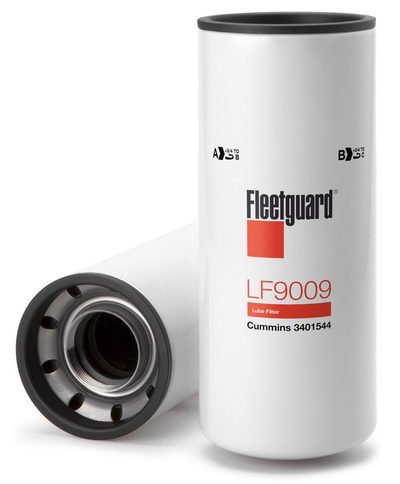
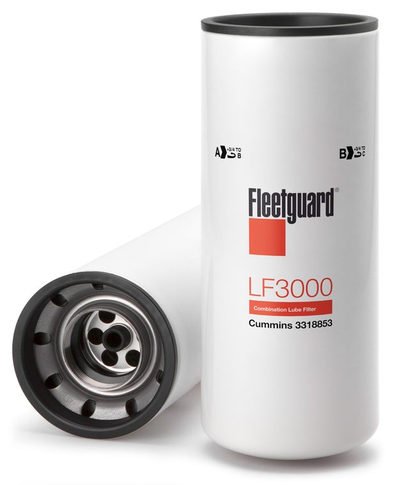
Several numbers below are combination filters, which means they do full-flow
and by-pass filtration in a single can. LF3000 and LF9009 are the common ones. If you
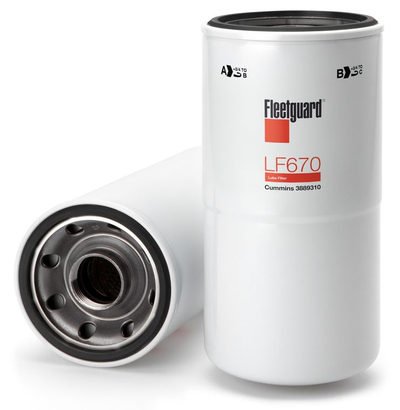
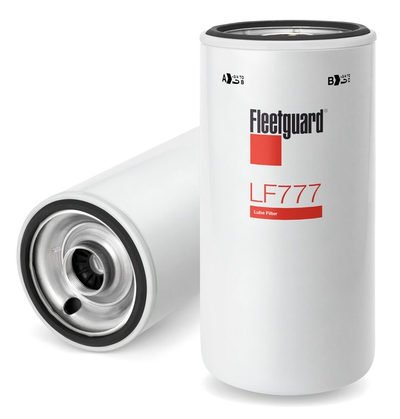
are currently running LF670 or LF777, the LF3000 supersedes both.
Fitting one correctly matters as much as buying the right one. The
step-by-step guide to changing a spin-on oil
filter covers the double-gasket mistake that causes most leaks straight after a
service, and why you should never tighten with a wrench.
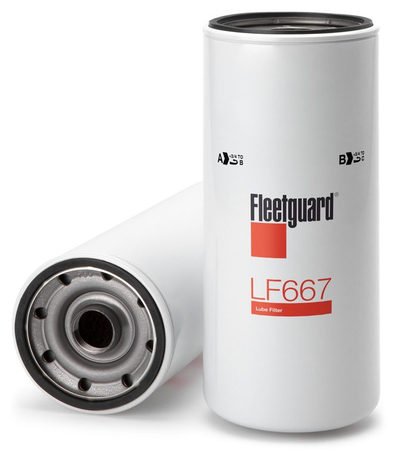
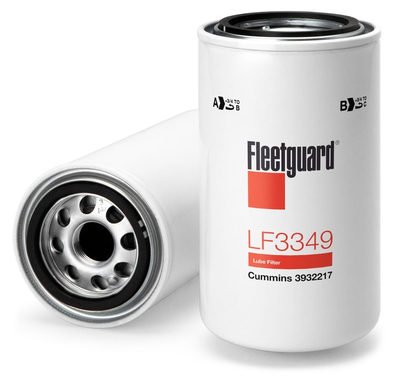
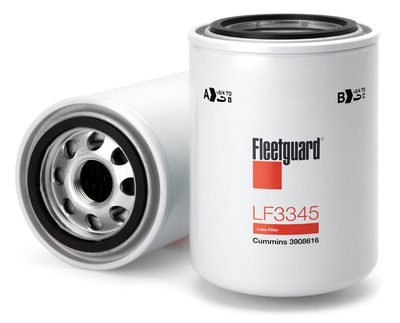
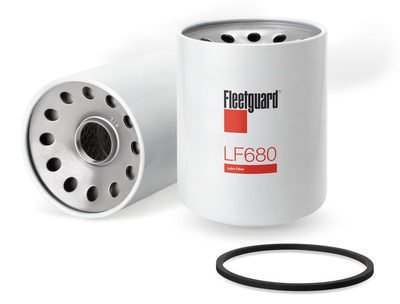
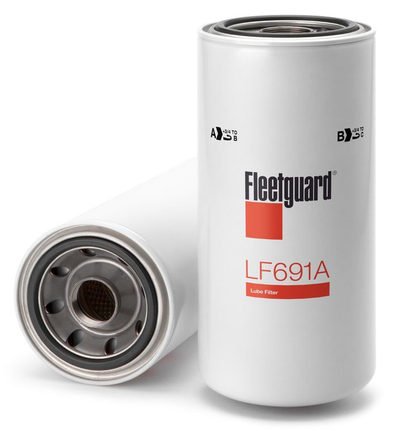
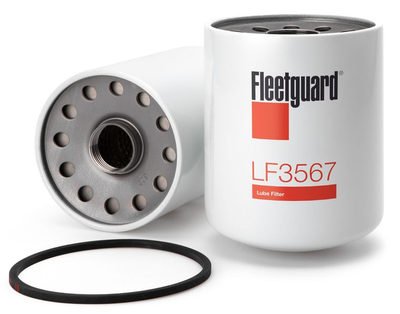
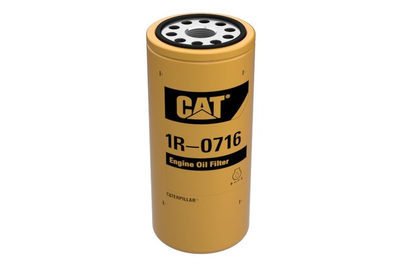
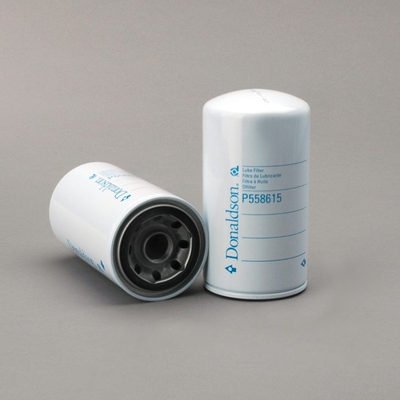
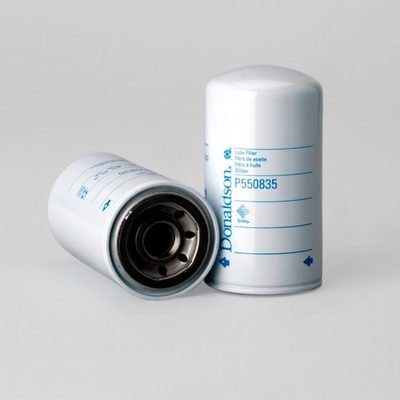
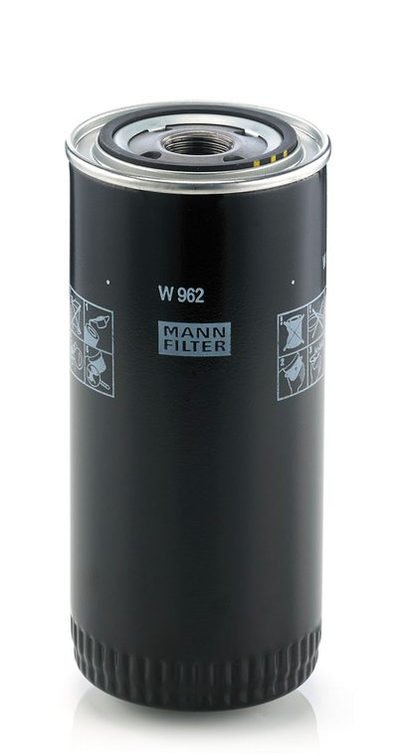
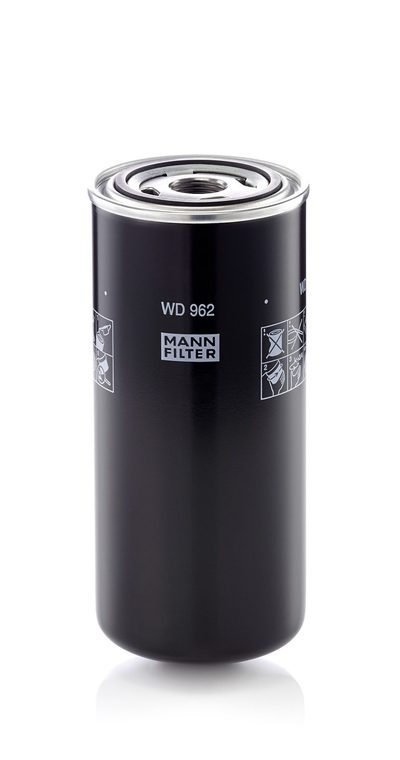
The numbers are grouped below by brand: Fleetguard,
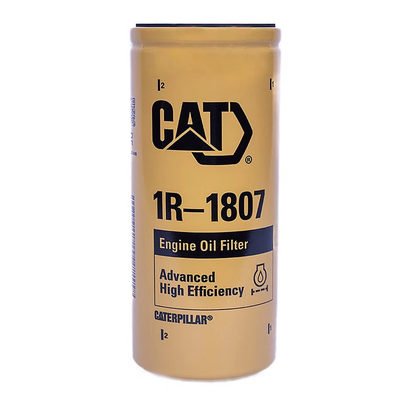
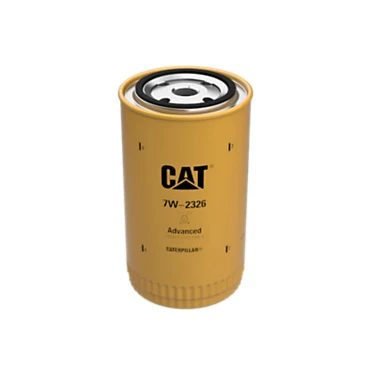
Caterpillar, Donaldson and
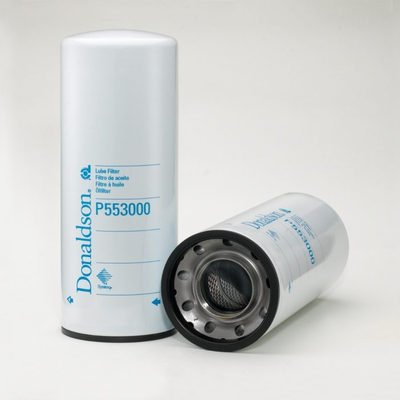
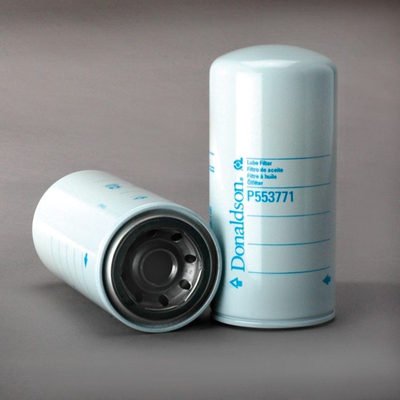
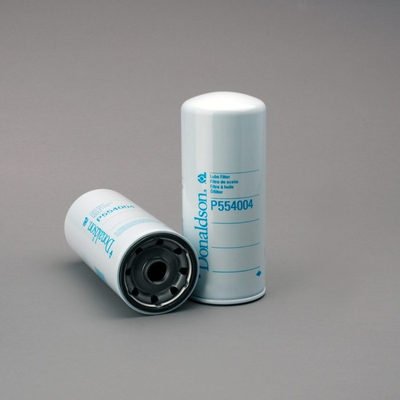
MANN-FILTER. Several cross directly — Donaldson P553000 covers
the same duty as Fleetguard LF3000, and Donaldson P557500 replaces Caterpillar
1R-0726 — so if the brand you normally buy is short, ask us and we will quote
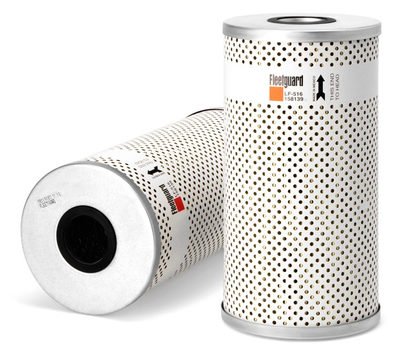
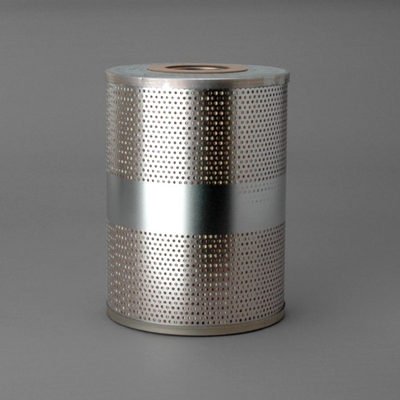
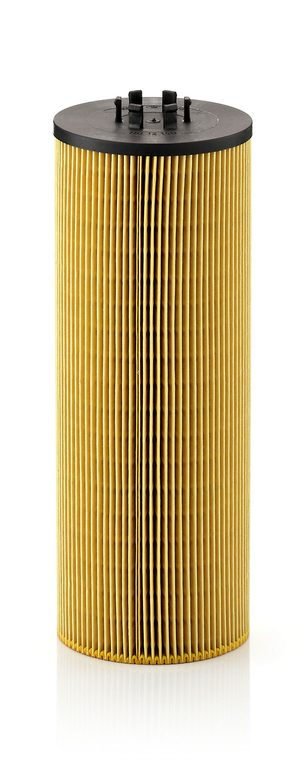
the equivalent. Watch the form as well as the size: a
cartridge element drops into a housing and has no thread of its own,
so it will not substitute for a spin-on of the same diameter.
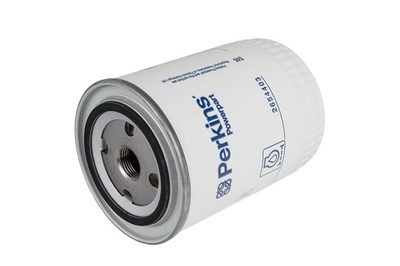
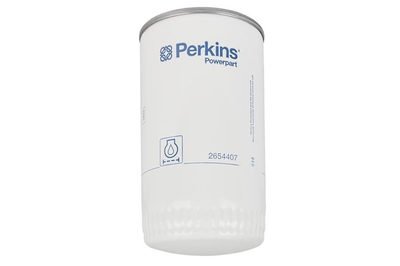
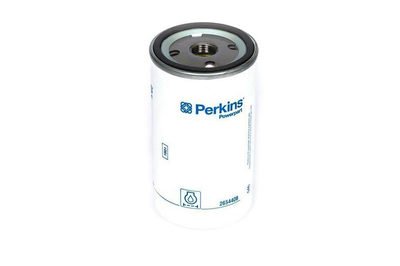
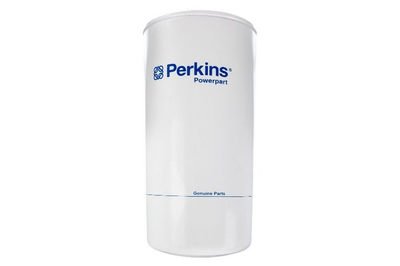
The Perkins numbers are listed differently from the rest, and
deliberately. Perkins publish fitment by engine rather than by dimension,
so each card leads with the engine series and the exact models the part is fitted
to. That is how a Perkins buyer identifies a filter anyway: from the engine plate,
not from a tape measure. If you have the engine number, send it and we will match
the part to it.